
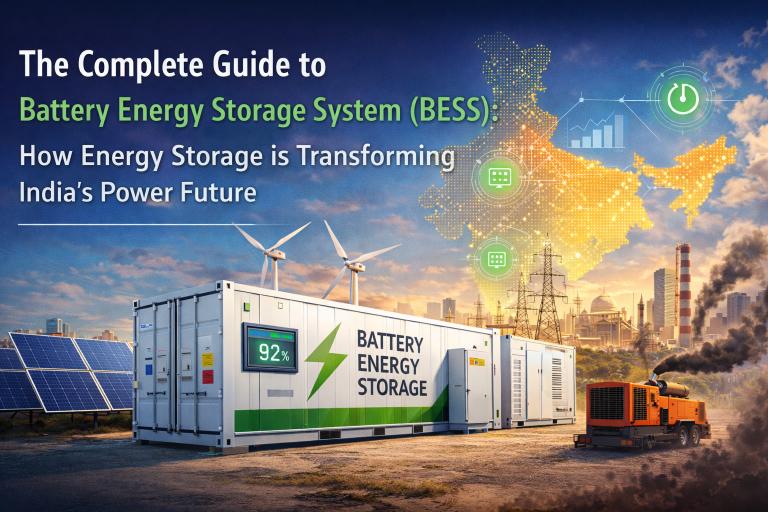
India is standing at the threshold of an energy revolution. With rapid solar adoption, increasing electricity demand, and a strong national push toward clean power, the role of energy storage has never been more critical. At the heart of this transformation lies the battery energy storage system (BESS system), a technology that is reshaping how electricity is generated, stored, and consumed.
For forward-thinking energy companies like Enerveda, battery storage represents not just innovation, but the foundation of a smarter, more resilient energy future.
This comprehensive guide explains everything you need to know about battery energy storage systems, including how they work, their role in renewable energy, and why they are essential for India’s power transition.
What is a Battery Energy Storage System (BESS)?
A battery energy storage system is a technology that stores electricity in batteries so it can be used later when needed. Unlike traditional power systems that require real-time generation and consumption, an energy storage system allows electricity to be saved and dispatched on demand.
In simple terms:
- Electricity is generated (from solar, grid, or other sources)
- Stored in batteries
- Used later during peak demand or outages
A battery storage system typically includes:
- Battery modules (lithium-ion, LFP, or other chemistries)
- Battery management system (BMS)
- Inverter and power conversion system (PCS)
- Energy management software
- Thermal management and safety systems
When integrated with solar, it becomes a solar energy storage system, often called solar bess or bess system for solar.
How a BESS System Works?
A bess system operates in three core stages:
- Charging Phase: Electricity from solar panels or the grid charges the energy storage battery.
- Storage Phase: Energy is stored chemically inside the battery until needed.
- Discharge Phase: Stored electricity is converted back into usable AC power through an inverter.
This ability to store and release energy makes renewable energy storage systems crucial for modern power infrastructure.
How Energy Storage Systems Support Renewable Energy?
Renewable energy sources like solar and wind are intermittent, they don’t produce power consistently throughout the day. This is where solar energy storage becomes essential.
Solving Solar Intermittency
Solar panels generate electricity only during daylight hours, but energy demand often peaks in the evening. A solar and battery system bridges this gap by storing daytime energy for nighttime use.
Benefits include:
- Increased solar self-consumption
- Reduced grid dependency
- Backup during outages
- Improved return on investment
Grid Stability and Frequency Control
Large-scale energy storage systems help utilities maintain grid stability by:
- Balancing supply and demand
- Providing frequency regulation
- Supporting voltage control
- Reducing blackouts
Without battery energy storage systems, high renewable penetration would destabilize the power grid.
Renewable Integration at Scale
As India moves toward 500 GW renewable capacity targets, sustainable energy storage becomes the backbone of the transition.
Energy storage enables:
- Solar farms to deliver power after sunset
- Wind farms to smooth fluctuations
- Microgrids in rural areas
- Peak shaving in urban grids
This is why governments worldwide are investing heavily in green energy storage systems.
Residential vs Industrial vs Utility Energy Storage
Energy storage applications vary depending on scale, usage patterns, and power requirements. Let’s explore the three major segments.
Residential: Home Solar Battery Systems
A home solar battery system stores electricity generated by rooftop solar panels for use when solar production is low or during outages. These home solar and battery systems are becoming increasingly popular in India due to rising electricity tariffs, frequent power cuts in some regions, net metering policy changes, and growing sustainability awareness.
Key Advantages:
- Backup Power Security – Homeowners get uninterrupted electricity during outages.
- Lower Electricity Bills – Stored solar energy reduces grid consumption.
- Energy Independence – Less reliance on utility providers.
- Smart Energy Management – Modern systems optimize consumption automatically.
Industrial and Commercial Energy Storage
For businesses, energy storage delivers powerful financial and operational benefits. Industrial energy storage solutions help companies reduce peak demand charges, ensure uninterrupted operations, improve power quality, avoid diesel generator costs, and optimize solar investments. Factories, malls, hospitals, hotels, and data centers benefit greatly from solar and battery storage integration.
Industrial Use Cases:
- Peak Shaving – Using stored energy during peak tariff hours to reduce electricity costs.
- Demand Charge Management – Lowering monthly utility bills by flattening energy consumption spikes.
- Backup Replacement – Replacing diesel generators, reducing fuel costs and emissions.
- Renewable Optimization – Maximizing ROI from solar installations using solar energy storage systems.
Utility and Grid-Scale Battery Energy Storage Systems
Utility-scale projects represent the largest segment of the battery energy storage system market. These massive installations, sometimes hundreds of megawatt-hours, support national grids.
Grid-Scale Applications:
- Renewable Integration – Storing solar and wind power for later use.
- Frequency Regulation – Stabilizing grid fluctuations in milliseconds.
- Transmission Deferral – Avoiding expensive infrastructure upgrades.
- Emergency Power Support – Preventing large-scale outages.
- Energy Arbitrage – Buying electricity when cheap, selling when expensive.
Benefits of Sustainable Energy Storage for India’s Power Sector
India’s energy landscape presents unique challenges: rapid urbanization, growing electricity demand, coal dependency, renewable variability, transmission losses, and power reliability gaps. Sustainable energy storage offers solutions across all these dimensions.
- Accelerating Renewable Adoption: India has abundant solar resources, but without storage, renewable penetration is limited. BESS enables higher solar capacity, reduced curtailment, and flexible dispatchable power.
- Reducing Dependence on Fossil Fuels: Energy storage reduces reliance on coal plants, diesel generators, and imported fuels. This supports energy security and climate goals.
- Improving Grid Reliability: Power outages cost industries billions annually. A green energy storage system improves power quality, reliability, and resilience against disruptions.
- Supporting Rural Electrification: Remote regions benefit from solar microgrids, off-grid storage, and community battery banks, creating inclusive energy access.
- Economic Growth and Job Creation: The energy storage sector creates opportunities in manufacturing, engineering, installation, maintenance, and software development.
- Environmental Benefits: Energy storage reduces carbon emissions, air pollution, and noise pollution from generators. It is essential for a cleaner future.
Key Technologies Behind Battery Energy Storage Systems
Lithium-Ion Batteries
Most common technology due to high energy density, long cycle life, fast response, and falling costs. LFP (Lithium Iron Phosphate) is particularly popular for solar BESS applications.
Flow Batteries
Used in large-scale systems with long-duration storage, high safety, and scalability.
Sodium-Ion and Emerging Technologies
Future alternatives offering lower costs, abundant materials, and improved sustainability.
Components of a Solar and Battery Storage System
A typical solar and battery system includes:
- Solar panels
- Hybrid inverter
- Battery bank
- Battery management system
- Monitoring software
- Mounting structures
- Protection systems
Integration quality determines system performance and lifespan.
Real-World Applications of Battery Energy Storage Systems in India
- Residential Communities – Gated societies combine rooftop solar with home solar battery systems to reduce electricity costs and improve reliability.
- Commercial Buildings – Shopping malls use energy storage systems to manage peak tariffs and avoid outages.
- Manufacturing Plants – Factories deploy bess system for solar to maintain production continuity.
- Renewable Power Plants – Solar developers integrate storage to supply electricity after sunset, increasing profitability.
- EV Charging Infrastructure – Battery storage helps fast-charging stations avoid grid overload.
Financial Advantages & Challenges
Financial Advantages: Energy storage is economically smart. Benefits include lower electricity bills, reduced diesel costs, peak demand savings, improved solar ROI, government incentives, and energy arbitrage opportunities.
Challenges in Adoption: Despite its benefits, some challenges remain. High initial investment, evolving policy and regulatory frameworks, lack of technology awareness, and the need for battery recycling infrastructure are hurdles that are gradually diminishing.
The Future of Grid Scale Battery Energy Storage Systems
The future of grid scale battery energy storage systems is extremely promising. Rapid market growth is expected due to renewable targets, policy support, and falling battery costs. Hybrid Renewable Projects (Solar + storage + wind) will become standard. AI and Smart Energy Management will optimize energy use in real time. The next decade will redefine how electricity is produced and consumed.
The Role of Enerveda in India’s Energy Storage Revolution
Enerveda is committed to accelerating India’s clean energy transformation through advanced battery energy storage systems. Their solutions focus on:
- High-efficiency solar energy storage
- Industrial energy optimization
- Reliable backup power systems
- Smart grid integration
- Sustainable infrastructure development
By combining innovation with practical implementation, Enerveda helps customers transition toward energy independence and sustainability.
The rise of the battery energy storage system marks one of the most important technological shifts in modern energy history. With innovators like Enerveda leading the charge, India’s energy future is not just renewable, it is intelligent, reliable, and storage-powered.
Frequently Asked Questions (FAQs)
Q1. What is a battery energy storage system (BESS system)?
A battery energy storage system is a technology that stores electricity in rechargeable batteries so it can be used later when required. A bess system typically includes batteries, inverters, control software, and safety components, and it is commonly used with renewable energy sources like solar to improve energy reliability and efficiency.
Q2. How does a home solar battery system work?
A home solar battery system stores excess electricity generated by rooftop solar panels during the day and supplies power when solar production is low or during power outages. These home solar and battery systems help homeowners reduce electricity bills, increase energy independence, and ensure backup power availability.
Q3. What are the benefits of installing a solar and battery storage system for businesses?
A solar and battery storage setup provides multiple advantages for commercial and industrial users, including reduced peak electricity charges, lower diesel generator usage, uninterrupted operations, improved power quality, and better returns on solar investments. Businesses also benefit from sustainable energy practices and long-term cost savings.
Q4. Why is energy storage important for renewable energy in India?
Renewable sources like solar and wind are intermittent, meaning they don’t produce electricity continuously. Renewable energy storage systems store excess power and release it when needed, ensuring grid stability, reducing power shortages, and enabling higher adoption of clean energy across India.
Q5. What is the future of grid-scale battery energy storage systems?
The future of grid scale battery energy storage systems is highly promising, with rapid growth expected due to increasing renewable energy deployment, falling battery costs, and government policy support. Large-scale energy storage solutions will play a critical role in providing 24/7 clean power, stabilizing grids, and supporting India’s energy transition.